Rose & Skin Health
Natural Glow from Within
Roses are more than a symbol of beauty, they’ve been used for centuries to support healthy, radiant skin.
From soothing irritation to providing gentle hydration, rose offers natural skin-loving benefits both internally and externally.
What Makes Rose Beneficial for Skin?
Roses contain: Antioxidants (polyphenols & flavonoids) Natural anti-inflammatory compounds Mild antibacterial properties Hydrating plant extracts
These components help protect and nourish the skin barrier.
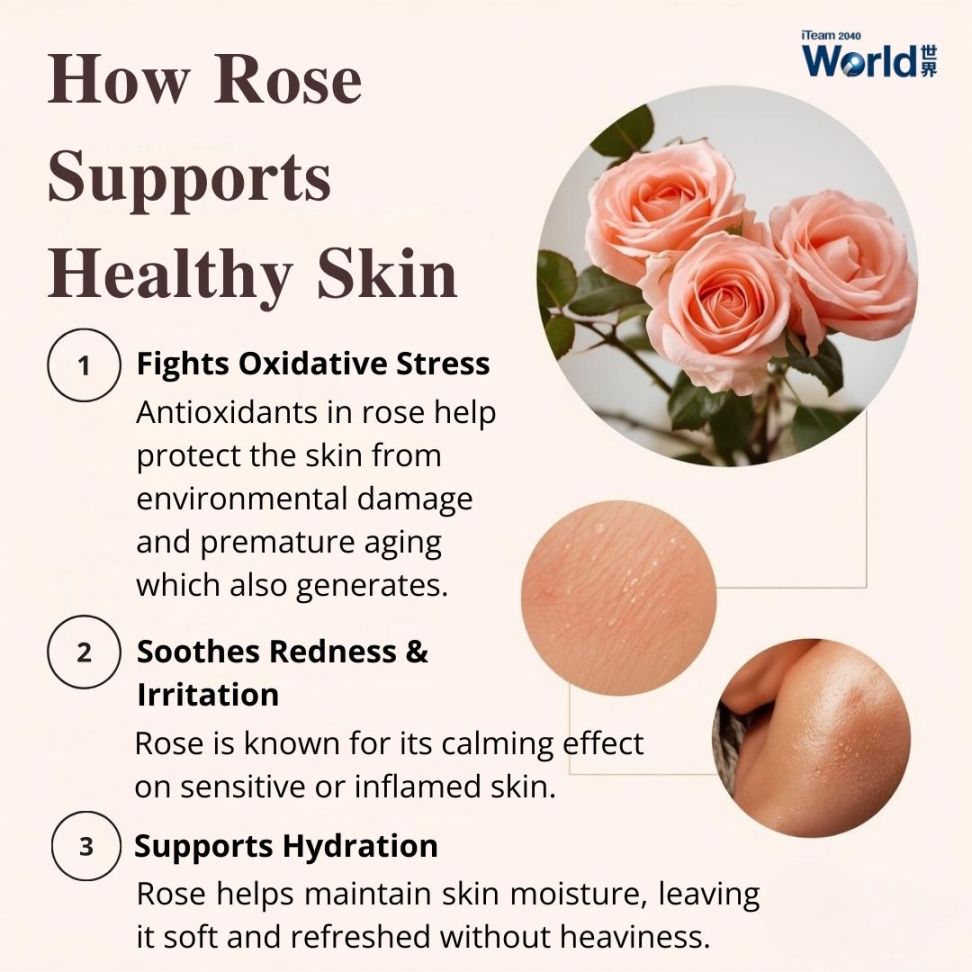
How Rose Supports Healthy Skin
1. Fights Oxidative Stress
Antioxidants in rose help protect the skin from environmental damage and premature aging which also generates.
2. Soothes Redness & Irritation
Rose is known for its calming effect on sensitive or inflamed skin.
3. Supports Hydration
Rose helps maintain skin moisture, leaving it soft and refreshed without heaviness.
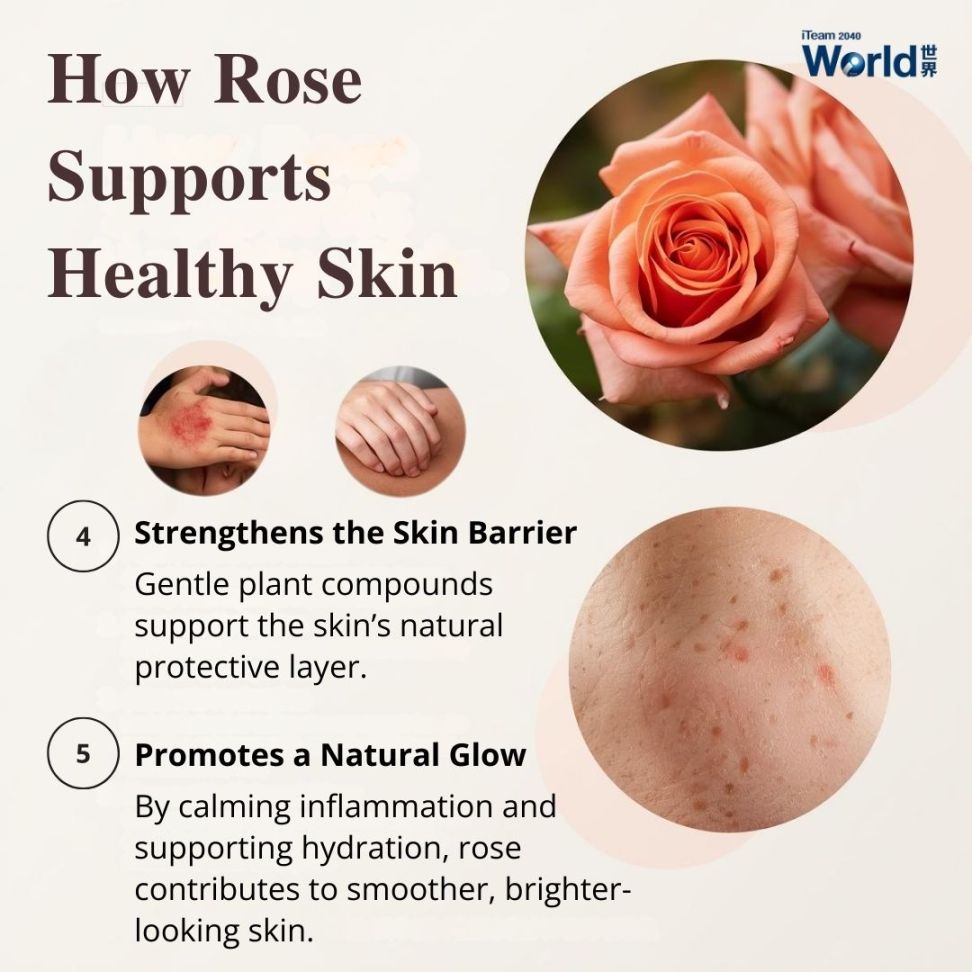
How Rose Supports Healthy Skin
4. Strengthens the Skin Barrier
Gentle plant compounds support the skin’s natural protective layer.
5. Promotes a Natural Glow
By calming inflammation and supporting hydration, rose contributes to smoother, brighter- looking skin.
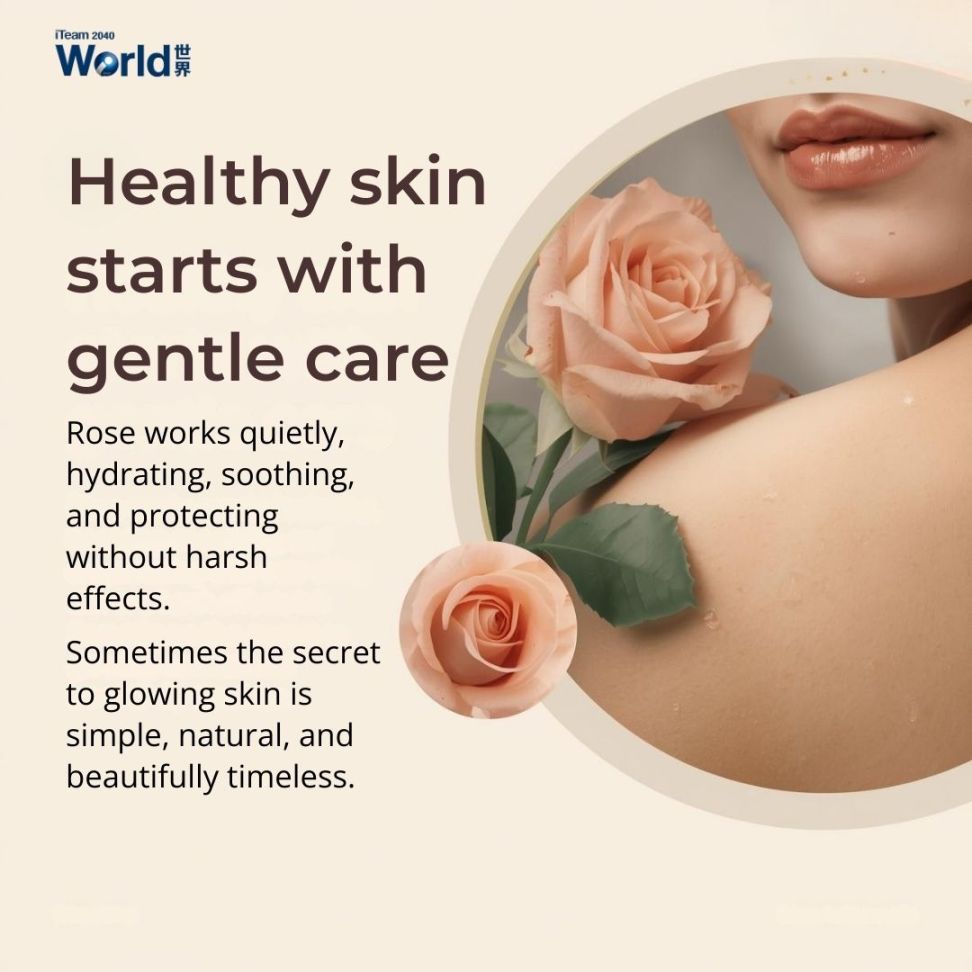
Healthy skin starts with gentle care
Rose works quietly, hydrating, soothing, and protecting without harsh effects.
Sometimes the secret to glowing skin is simple, natural, and beautifully timeless.
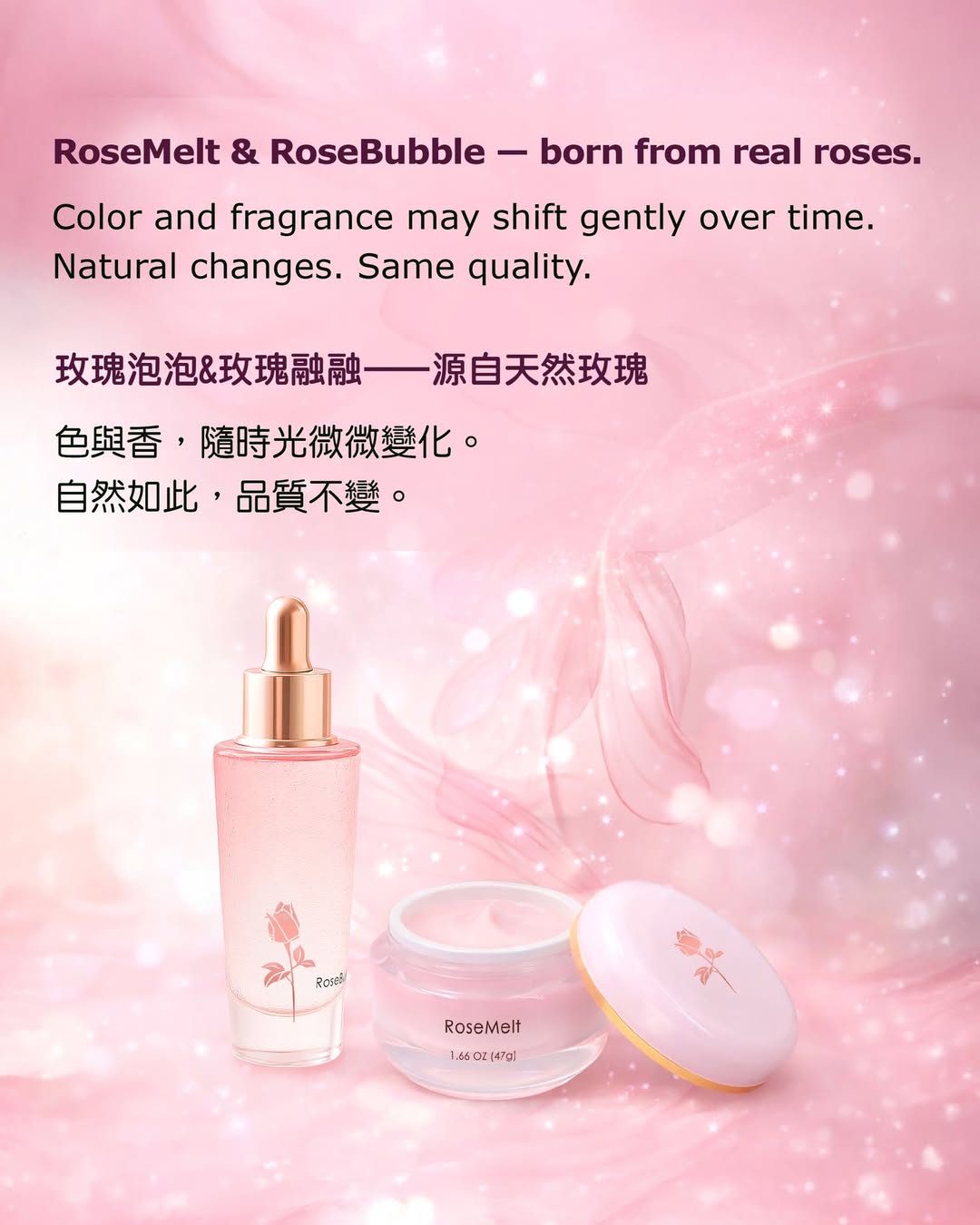
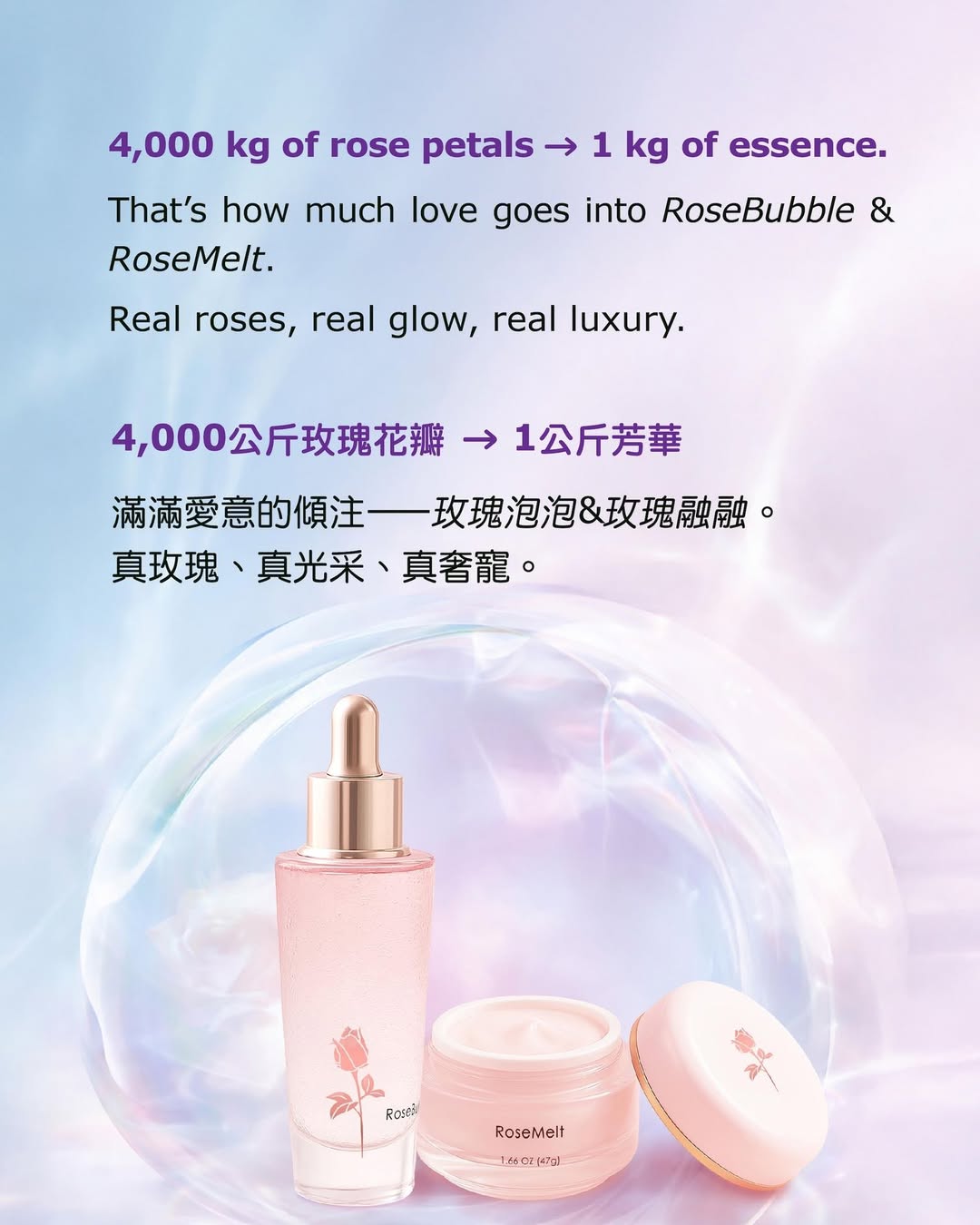

RosyTime is rich of Antioxidants that may encourage Collagen production, reduce damage by harmful UV Rays and protect against Free Radical damage.
The main ingredients in Rosytime include:
Cactus Fruit: Help to remove excessive toxins in our body and prevent the aging of internal organs
Acerola Cherry: Improve immune system, reduce the risk of uterine fibroids and ovarian cancer.
Cranberry: It helps to contract the pelvic floor and tighten the vagina.
Rose: Rose helps to tighten the uterus while effectively prevent the uterine prolapse.
Contact Us
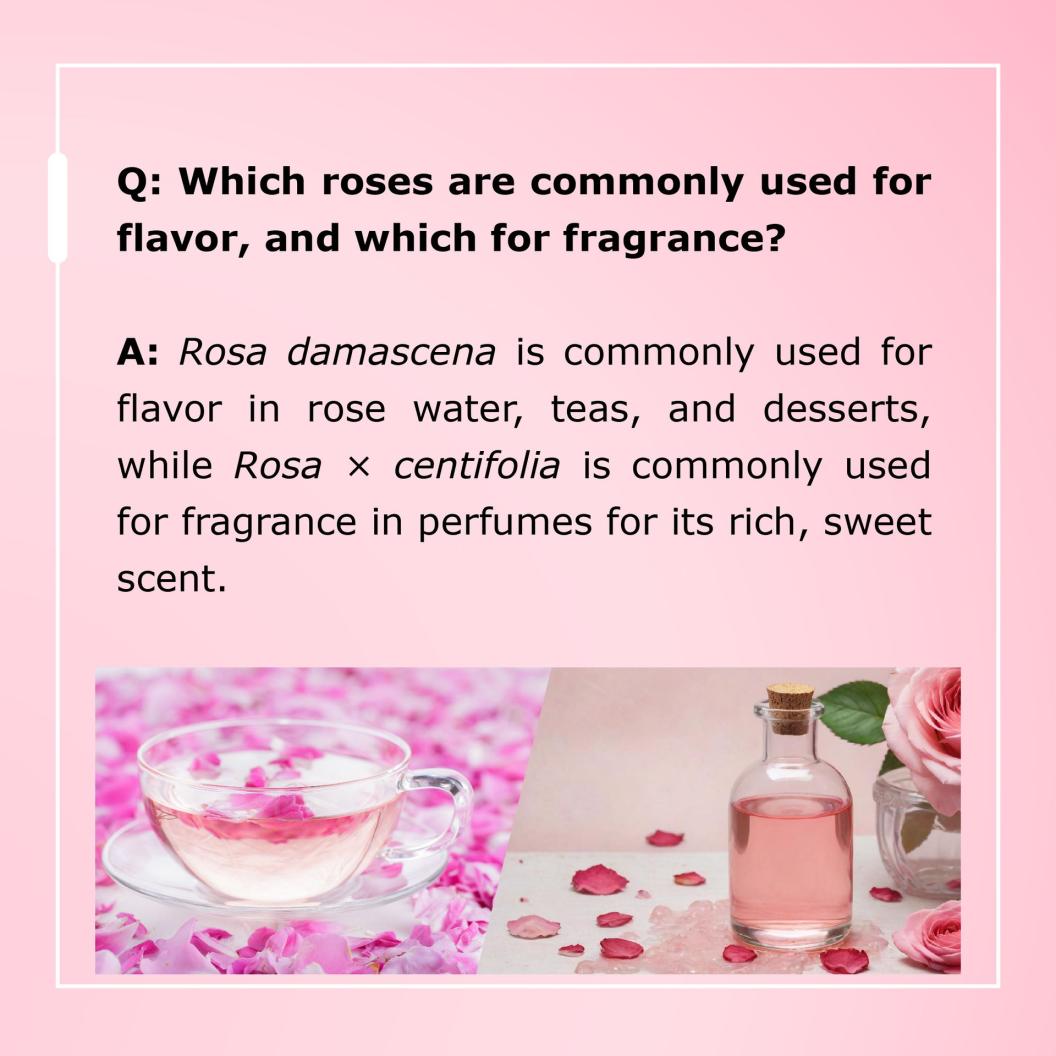
Q: Which roses are commonly used for flavor, and which for fragrance?
A: Rosa damascena is commonly used for flavor in rose water, teas, and desserts, while Rosa x centifolia is commonly used for fragrance in perfumes for its rich, sweet scent.
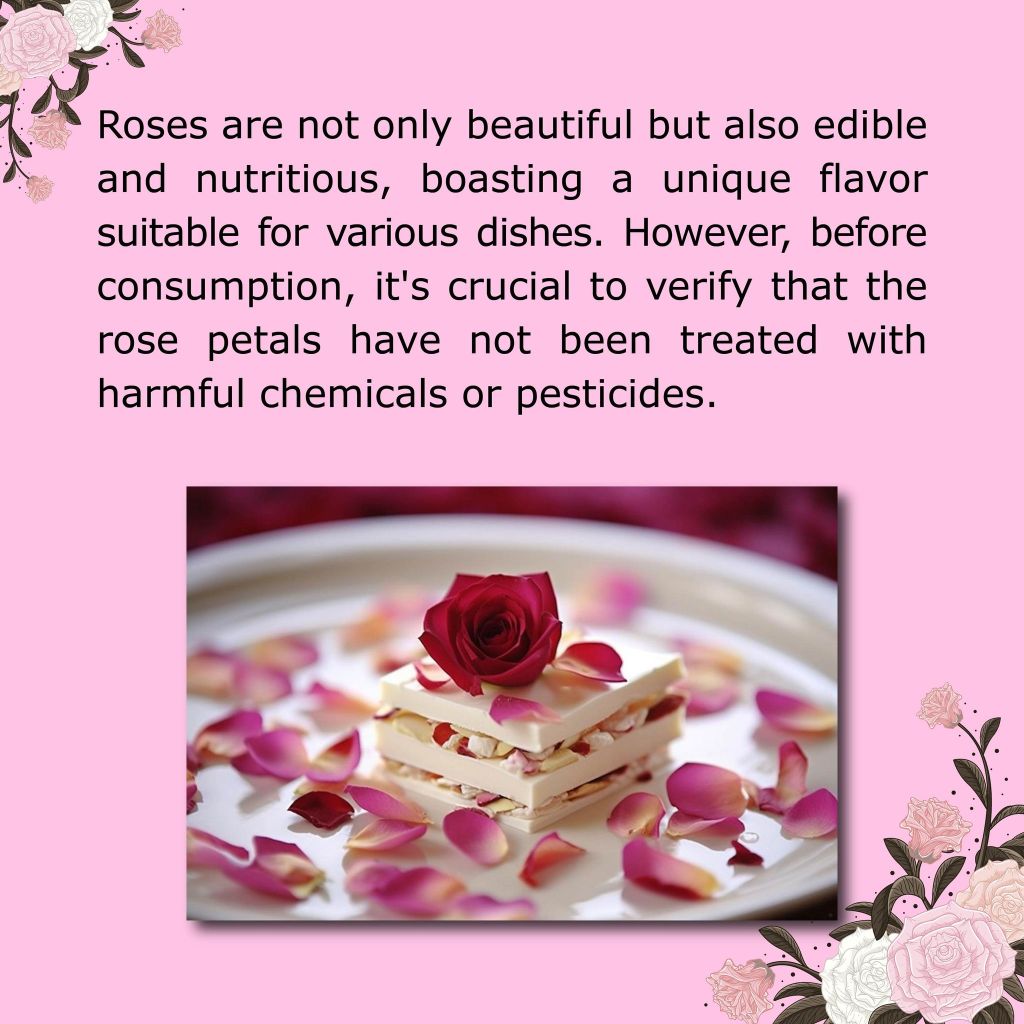
Roses are not only beautiful but also edible and nutritious, boasting a unique flavor suitable for various dishes. However, before consumption, it’s crucial to verify that the rose petals have not been treated with harmful chemicals or pesticides.