
Do you think high blood pressure is only something older adults need to worry about?
High blood pressure isn’t just an older adult’s concern—it may be quietly affecting younger people too. 
In reality, more people in their 20s and 30s may already have elevated blood pressure without even realizing it. Staying up late, eating out frequently, consuming salty foods, dealing with high stress, and living a sedentary lifestyle…
These habits, which are common among young adults, may gradually affect blood pressure over time.
Don’t wait for symptoms—hypertension often has none.Start today: eat less salt, choose more whole foods, stay active, sleep well, and check your blood pressure regularly. Know your numbers, protect your health. 
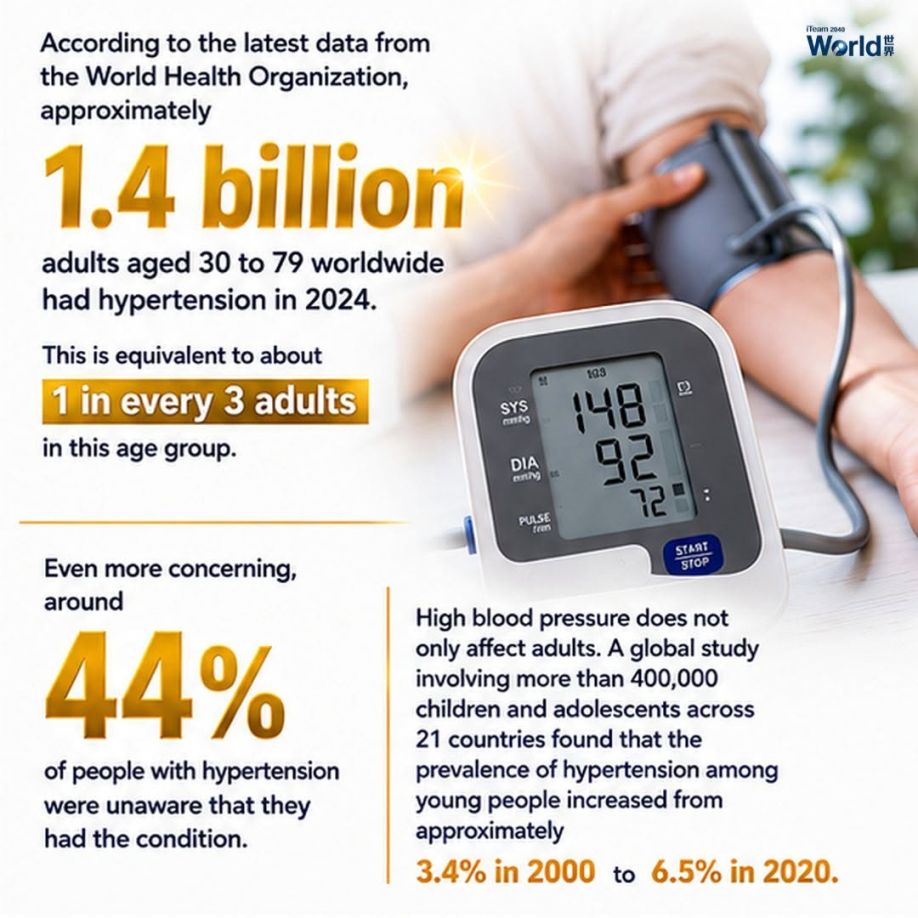
According to the latest data from the World Health Organization, approximately 1.4 billion adults aged 30 to 79 worldwide had hypertension in 2024.
This is equivalent to about 1 in every 3 adults in this age group.
Even more concerning, around 44% of people with hypertension were unaware that they had the condition.
High blood pressure does not only affect adults. A global study involving more than 400,000 children and adolescents across 21 countries found that the prevalence of hypertension among young people increased from approximately
3.4% in 2000 to 6.5% in 2020.
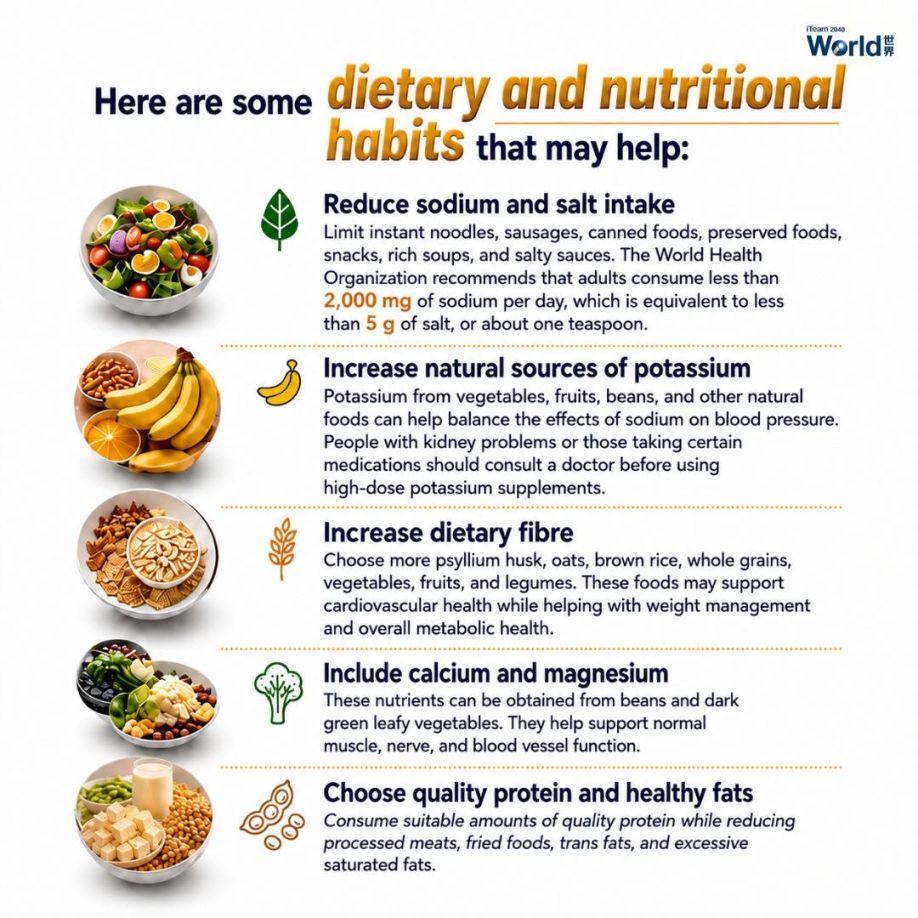
Here are some dietary and nutritional habits that may help:
Reduce sodium and salt intake
Limit instant noodles, sausages, canned foods, preserved foods, snacks, rich soups, and salty sauces. The World Health Organization recommends that adults consume less than 2,000 mg of sodium per day, which is equivalent to less than 5 g of salt, or about one teaspoon.
Increase natural sources of potassium
Potassium from vegetables, fruits, beans, and other natural foods can help balance the effects of sodium on blood pressure. People with kidney problems or those taking certain
medications should consult a doctor before using
high-dose potassium supplements.
Increase dietary fibre
Choose more psyllium husk, oats, brown rice, whole grains, vegetables, fruits, and legumes. These foods may support cardiovascular health while helping with weight management and overall metabolic health.
Include calcium and magnesium
These nutrients can be obtained from beans and dark green leafy vegetables. They help support normal muscle, nerve, and blood vessel function.
Choose quality protein and healthy fats
Consume suitable amounts of quality protein while reducing processed meats, fried foods, trans fats, and excessive saturated fats.

Do not wait until you experience dizziness, headaches, or discomfort before getting checked.
High blood pressure often causes no obvious symptoms, even while the blood vessels are already under increased pressure.
– Starting today, reduce your salt intake,
– eat more natural foods,
– stay physically active,
– get enough sleep,
– and make regular blood pressure checks part of your routine.
Nutrition and lifestyle changes can help manage blood pressure, but they cannot replace a medical diagnosis or prescribed medication.
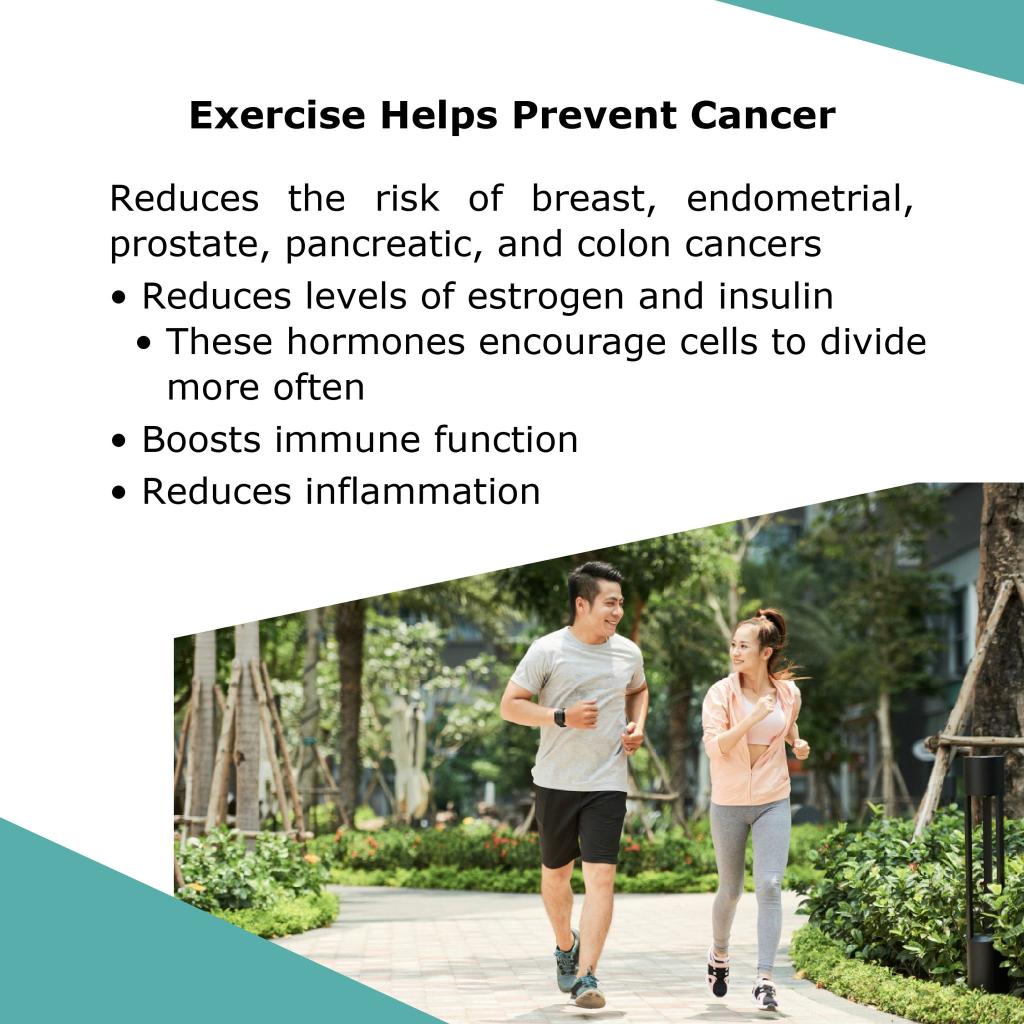
Exercise Helps Prevent Cancer
Reduces the risk of breast, endometrial, prostate, pancreatic, and colon cancers
– Reduces levels of estrogen and insulin
• These hormones encourage cells to divide more often
– Boosts immune function
– Reduces inflammation

Healthtalk (Soygreen) 7 – The Power of Micronutrients
SoyGreen contains soy, which is a source of plant-based protein. Adequate protein intake is very important when on a low-calorie diet because it helps prevent muscle loss. Muscle burns more calories than fat does.
SoyGreen rich in plant protein, calcium, iron, folic acid, fibre, antioxidants, trace elements, and a wide variety of phytochemical. It is the perfect meal replacement for weight management as it is high nutrition and low calories.
Contact Us

Why Are the Four Pillars of Wellness So Important?
Wellness is not just about eating healthy.
It focuses on maintaining balance in your overall lifestyle rather than relying on one single habit.
Because wellness involves every aspect of our daily lives, we should practise these healthy habits consistently to support better health and well-being.

Adequate Sleep:
During sleep, the body carries out important repair and recovery processes. Poor or insufficient sleep over a long period may increase the risk of various chronic health conditions.
Moderate Exercise:
Regular physical activity promotes blood circulation, supports the lymphatic system, improves metabolism, and helps the body function more efficiently.
Emotional Stability:
Long-term stress and negative emotions may increase cortisol levels, which can affect immune function and overall health.
Learning to manage our emotions is therefore an important part of wellness.
A Balanced Diet:
A healthy and balanced diet should include a wide variety of foods, especially phytonutrients, antioxidants, polysaccharides, and dietary fibre.
True wellness does not come from one healthy meal, one workout, or one good night’s sleep. It is built through the small choices we make every day.
By taking care of our sleep, physical activity, emotions, and nutrition, while also going for regular health screenings, we can create a stronger foundation for long-term health.
Start caring for your body today- because prevention is always better than cure, and your health is one of the greatest investments you can make.