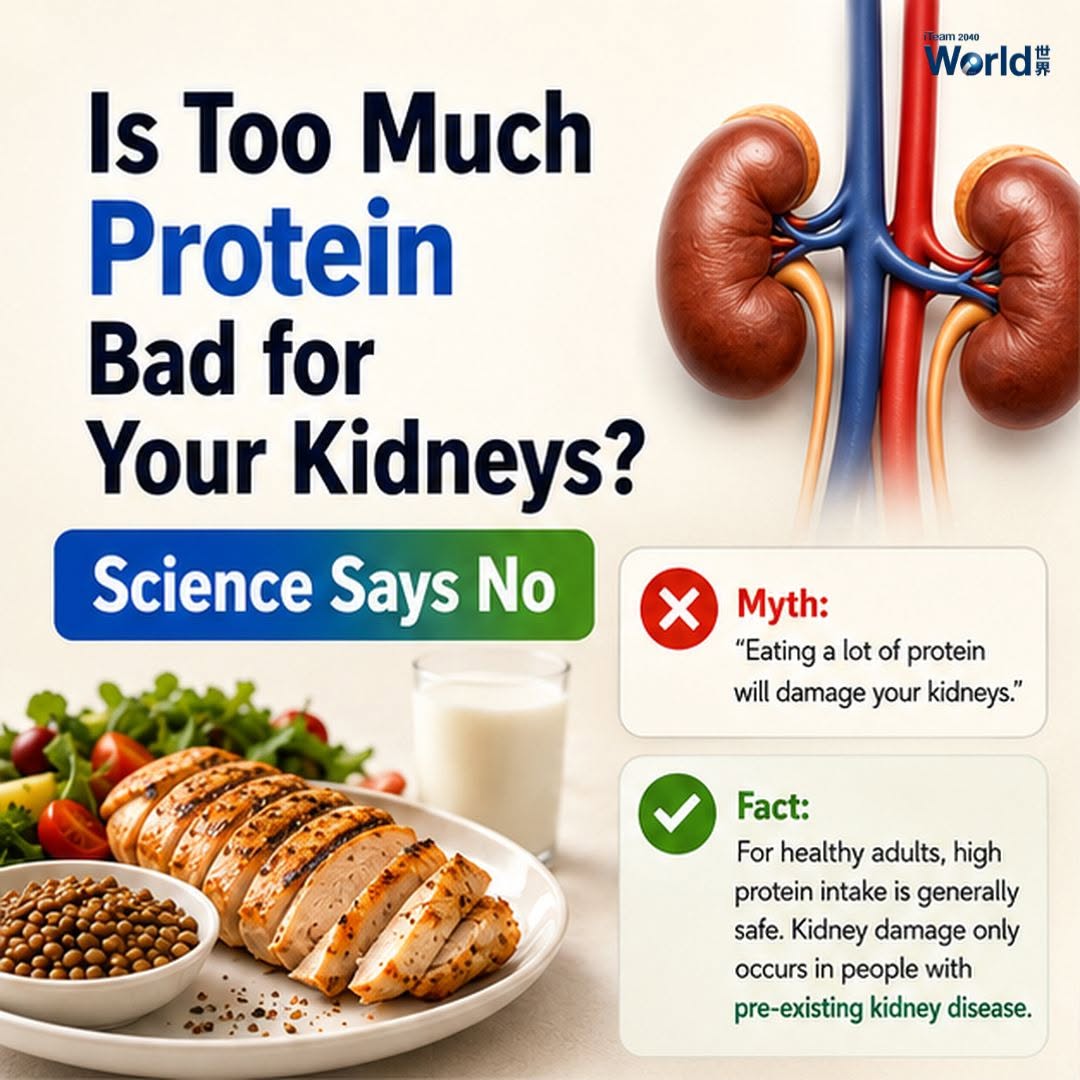
Myth busted: Protein doesn’t damage healthy kidneys.
Choose quality protein, stay hydrated, and eat smart.
Science Says No
Myth: “Eating a lot of protein will damage your kidneys.”
Fact: For healthy adults, high protein intake is generally safe. Kidney damage only occurs in people with pre-existing kidney disease.
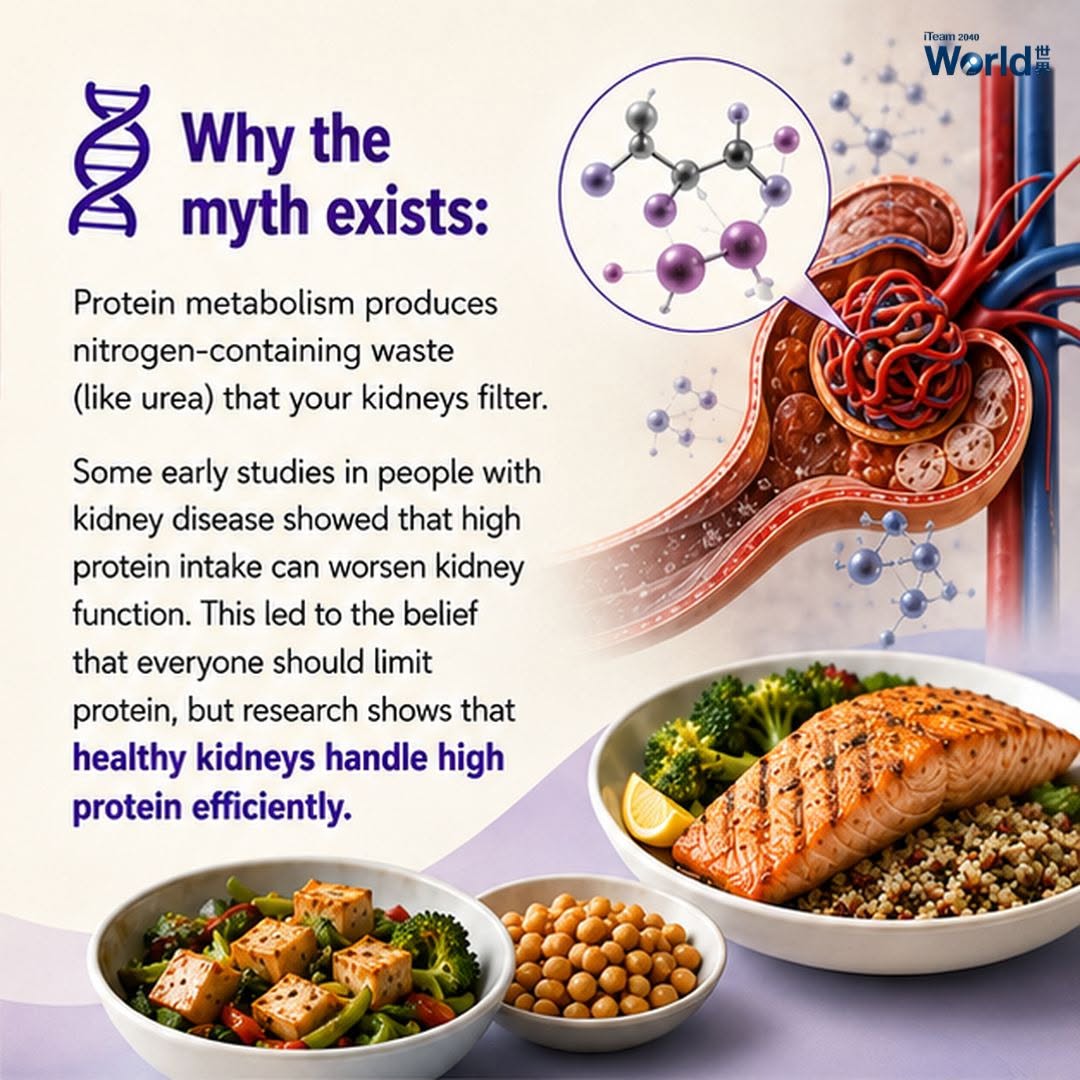
Why the myth exists:
Protein metabolism produces nitrogen-containing waste (like urea) that your kidneys filter.
Some early studies in people with kidney disease showed that high protein intake can worsen kidney function. This led to the belief that everyone should limit protein, but research shows that healthy kidneys handle high protein efficiently.
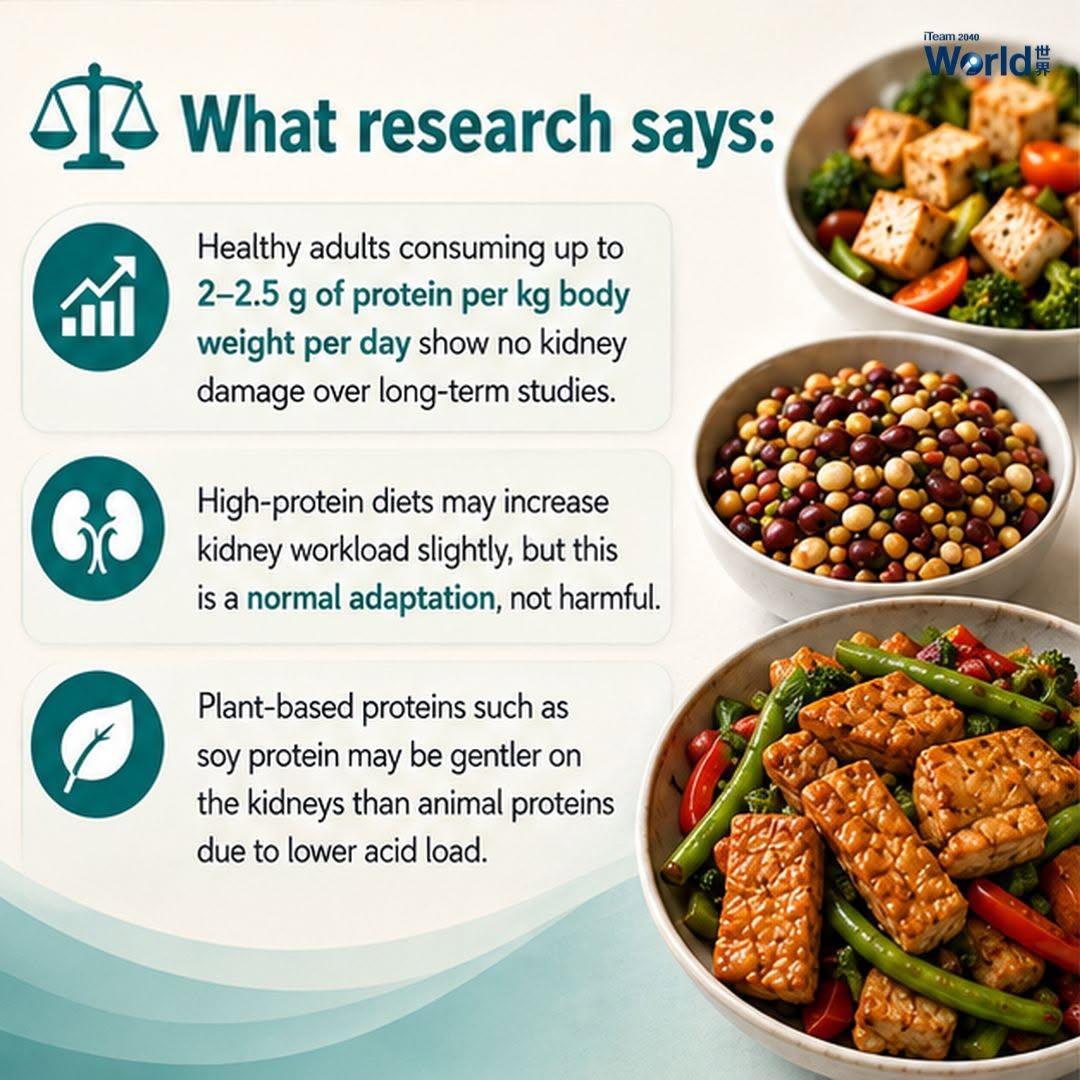
What research says:
Healthy adults consuming up to 2-2.5 g of protein per kg body weight per day show no kidney damage over long-term studies.
High-protein diets may increase kidney workload slightly, but this is a normal adaptation, not harmful.
Plant-based proteins such as soy protein may be gentler on the kidneys than animal proteins due to lower acid load.
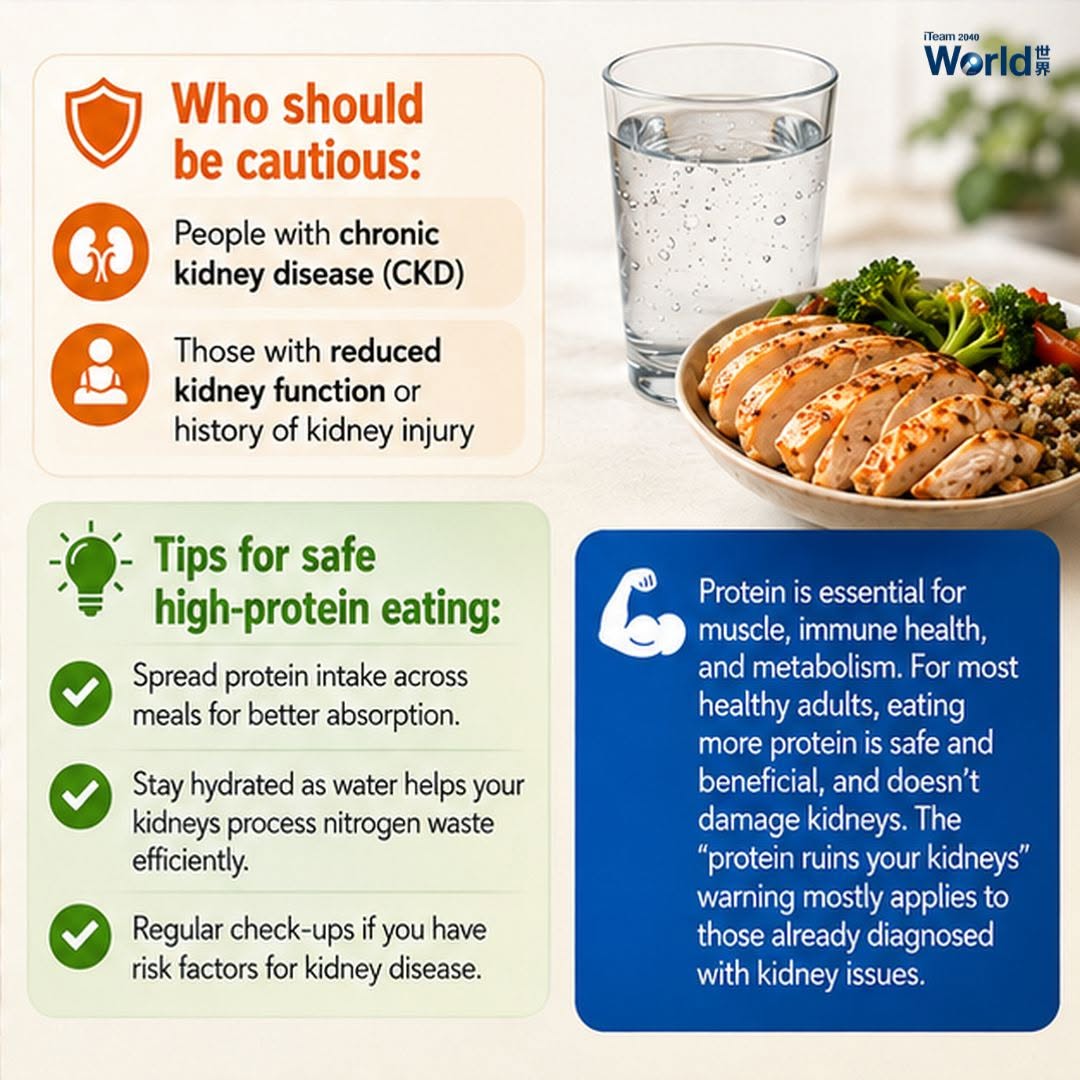
Who should be cautious:
People with chronic kidney disease (CKD).
Those with reduced kidney function or history of kidney injury.
Tips for safe high-protein eating:
– Spread protein intake across meals for better absorption.
– Stay hydrated as water helps your kidneys process nitrogen waste efficiently.
– Regular check-ups if you have risk factors for kidney disease.
Protein is essential for muscle, immune health, and metabolism. For most healthy adults, eating more protein is safe and beneficial, and doesn’t damage kidneys. The “protein ruins your kidneys” warning mostly applies to those already diagnosed with kidney issues.
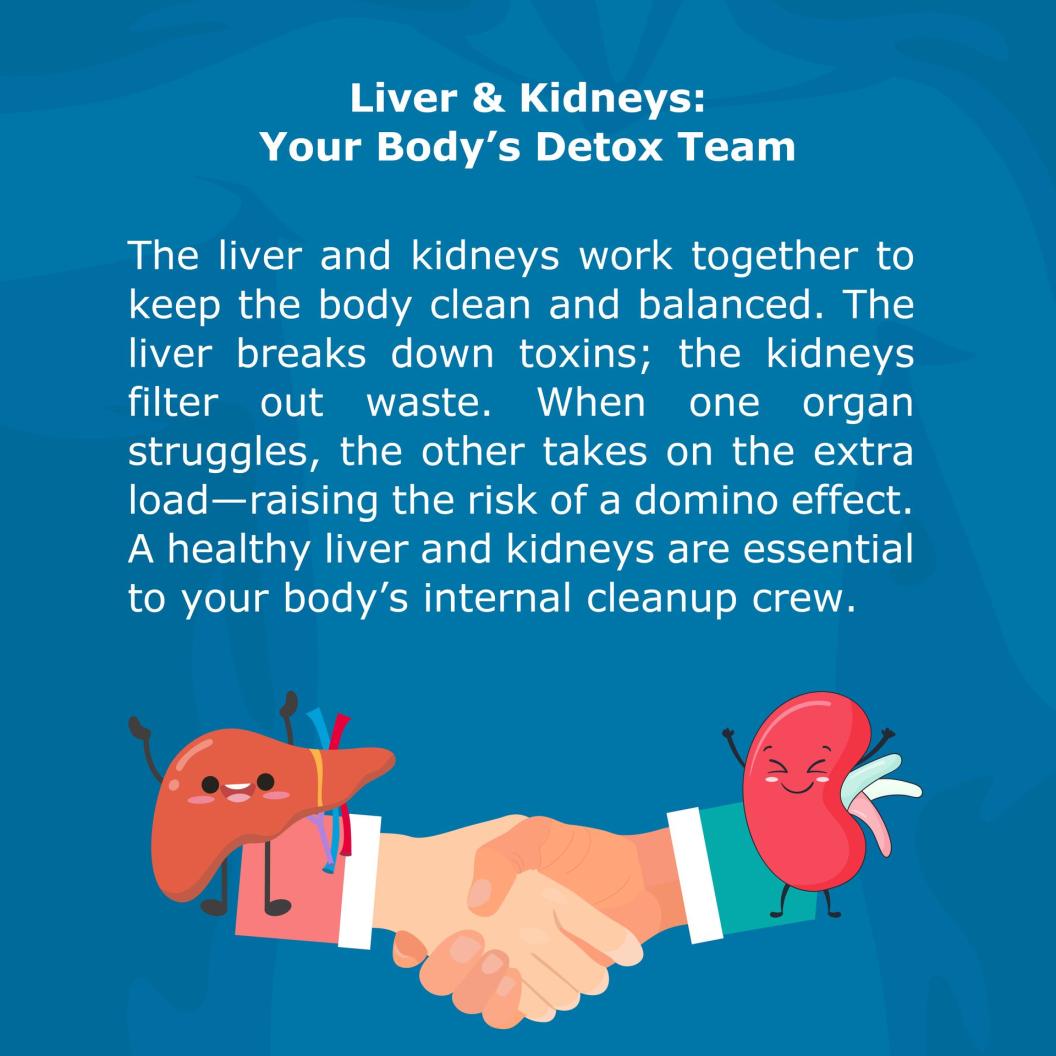
Liver & Kidneys: Your Body’s Detox Team
The liver and kidneys work together to keep the body clean and balanced. The liver breaks down toxins; the kidneys filter out waste. When one organ struggles, the other takes on the extra load-raising the risk of a domino effect. A healthy liver and kidneys are essential to your body’s internal cleanup crew.
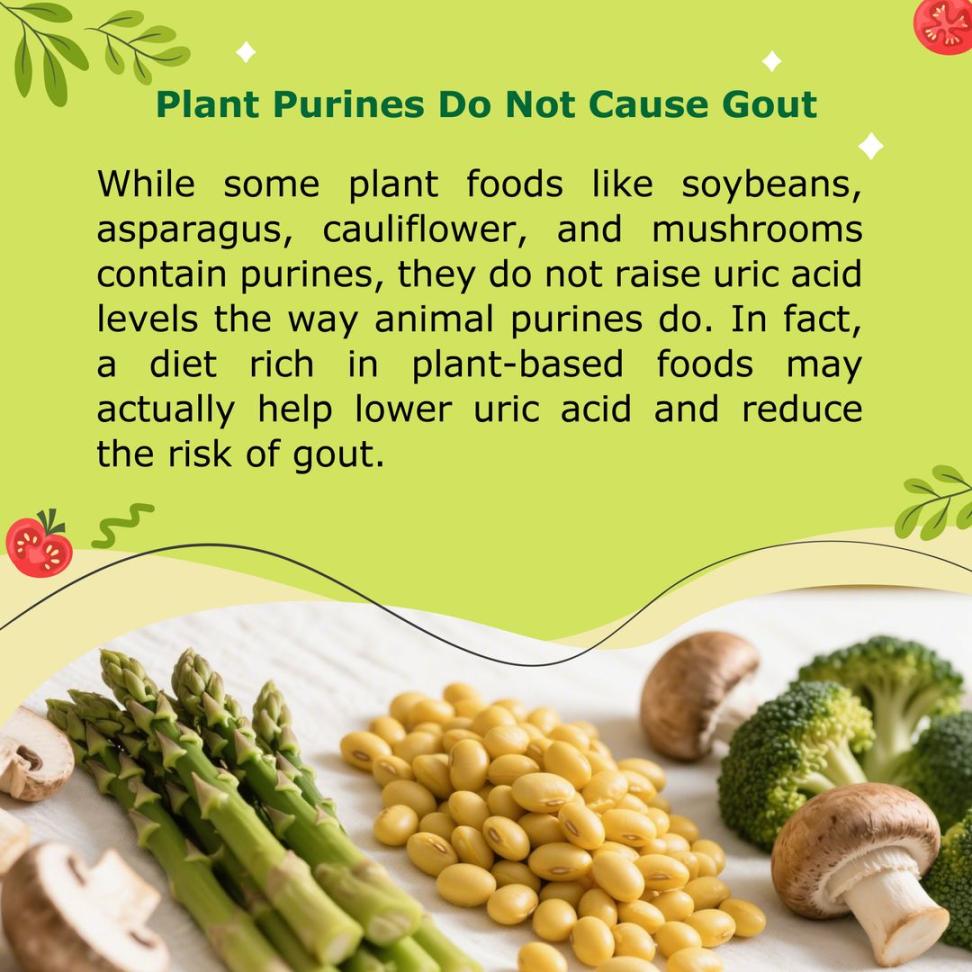
Plant Purines Do Not Cause Gout
While some plant foods like soybeans, asparagus, cauliflower, and mushrooms contain purines, they do not raise uric acid levels the way animal purines do. In fact, a diet rich in plant-based foods may actually help lower uric acid and reduce the risk of gout.
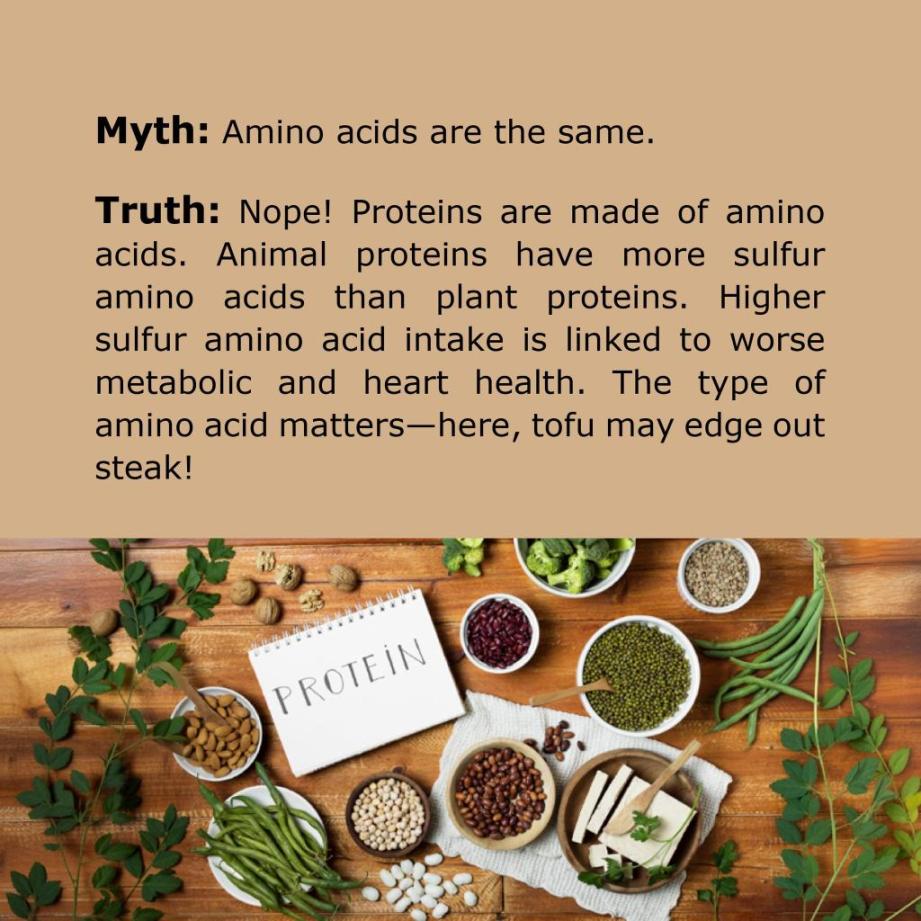
Myth: Amino acids are the same.
Truth: Nope! Proteins are made of amino acids. Animal proteins have more sulfur amino acids than plant proteins. Higher sulfur amino acid intake is linked to worse metabolic and heart health. The type of amino acid matters-here, tofu may edge out steak!
PROTEIN

Health: Fuel Your Day Nourish Your Life
Health: Myth: High-protein diets damage your kidneys?
SoyPro is high in protein and cholesterol free. It is made from 100% pure soy and contains nine essential amino acids for optimal muscle function.
SoyPro is used to build lean muscle mass, aid in recovery, maintain muscle fiber health and provide effective, clinically-proven health benefits.
Contact us

What’s a Protein Score?
A protein score (DIAAS) tells you how well your body can digest and use protein from different foods.
• 100+ = Excellent quality protein
• Below 75 = Too low to make protein claims
DIAAS of Common Foods:
– Soy protein: 98
– Corn: 48
– Millet: 10
– Oats: 54
– Rice: 37
– Wheat: 20
– Kidney beans: 59
– Peas: 58
Your protein matters-know the score, fuel your body right!
https://pmc.ncbi.nlm.nih.gov/articles/PMC6952019/
Myth: Apple cider vinegar is a natural cure for high blood sugar levels.
Truth: Not exactly! Some studies suggest it may help lower blood sugar, but it’s no magic fix. It can slow digestion-causing heartburn and nausea. For people with diabetes, this makes timing insulin tricky since digestion becomes unpredictable. Overuse may even erode tooth enamel. A splash on your salad? Fine. A daily “miracle shot”? Not so much!