Atherosclerosis occurs when the arteries become stiff and narrow due to a buildup of plaque—made of cholesterol, fats, and other substances in the blood. This buildup can reduce blood flow, leading to serious heart problems like heart attacks, strokes, and artery disease.
While genetics and age play a part in atherosclerosis, your lifestyle—especially what you eat—has a huge impact on its development.
Learning how nutrition can either worsen or help prevent this condition is key to maintaining a healthy heart. # 𝐇𝐞𝐚𝐥𝐭𝐡𝐲 𝐅𝐚𝐭𝐬 𝐚𝐧𝐝 𝐂𝐡𝐨𝐥𝐞𝐬𝐭𝐞𝐫𝐨𝐥
High cholesterol, especially LDL (“bad”) cholesterol, is a key contributor to atherosclerosis. LDL builds up in the arteries, leading to plaque formation.
To lower LDL, focus on eating healthy fats like: 𝐎𝐦𝐞𝐠𝐚-𝟑 𝐟𝐚𝐭𝐭𝐲 𝐚𝐜𝐢𝐝𝐬: Found in certain seeds and nuts (flaxseeds, chia seeds, walnuts), these can lower inflammation and LDL cholesterol. 𝐌𝐨𝐧𝐨𝐮𝐧𝐬𝐚𝐭𝐮𝐫𝐚𝐭𝐞𝐝 𝐟𝐚𝐭𝐬: Olive oil, avocados, and nuts are excellent sources that help reduce bad cholesterol while keeping HDL (“good”) cholesterol levels steady.
Avoid trans fats and limit saturated fats, as they can raise LDL cholesterol and promote plaque buildup. # 𝐀𝐧𝐭𝐢𝐨𝐱𝐢𝐝𝐚𝐧𝐭𝐬 𝐚𝐧𝐝 𝐅𝐢𝐛𝐞𝐫
Antioxidants and fiber play a critical role in protecting against atherosclerosis by reducing inflammation and supporting healthy cholesterol levels. 𝐀𝐧𝐭𝐢𝐨𝐱𝐢𝐝𝐚𝐧𝐭-𝐫𝐢𝐜𝐡 𝐟𝐨𝐨𝐝𝐬: Fruits and vegetables, especially those high in antioxidants like vitamin C and E, can help neutralize harmful free radicals, which contribute to the oxidative stress involved in plaque formation. Berries, leafy greens, and citrus fruits are excellent choices. 𝐅𝐢𝐛𝐞𝐫: Soluble fiber helps lower LDL by binding to it in the gut and preventing it from being absorbed into the bloodstream. Good sources include oats, beans, lentils, and fruits like apples and pears. 𝐖𝐡𝐨𝐥𝐞 𝐠𝐫𝐚𝐢𝐧𝐬: Brown rice, quinoa, and whole-wheat products are rich in fiber, which helps regulate blood sugar levels and reduce the risk of type 2 diabetes—a condition closely linked to atherosclerosis. # 𝐀𝐧𝐭𝐢-𝐈𝐧𝐟𝐥𝐚𝐦𝐦𝐚𝐭𝐨𝐫𝐲 𝐅𝐨𝐨𝐝𝐬
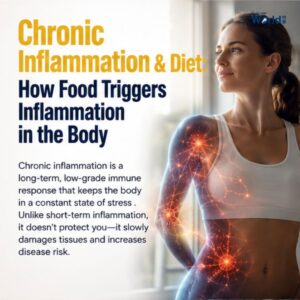
Chronic inflammation worsens atherosclerosis, but eating anti-inflammatory foods can protect your arteries. 𝐋𝐞𝐚𝐟𝐲 𝐠𝐫𝐞𝐞𝐧𝐬: Spinach, kale, and other leafy greens are rich in vitamins and minerals that support heart health. 𝐍𝐮𝐭𝐬 𝐚𝐧𝐝 𝐬𝐞𝐞𝐝𝐬: Almonds, walnuts, chia seeds, and flaxseeds are packed with anti-inflammatory compounds and healthy fats.



Healthtalk (BerryBeat) 4 – Foods help your heart be healthy
Berrybeat is a beverage specially designed to nourish the liver & heart. It is rich in Antioxidants which protect & enhance your liver and heart functions.
Ingredients:
Hawthorn, Blueberry, Raspberry, Cranberry
Contact us

Healthtalk (Soygreen) 3 – Who is suitable for this product?
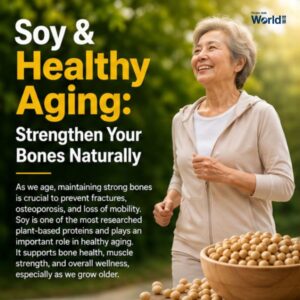
SoyGreen contains soy, which is a source of plant-based protein. Adequate protein intake is very important when on a low-calorie diet because it helps prevent muscle loss. Muscle burns more calories than fat does.
SoyGreen rich in plant protein, calcium, iron, folic acid, fibre, antioxidants, trace elements, and a wide variety of phytochemical. It is the perfect meal replacement for weight management as it is high nutrition and low calories.
Contact Us