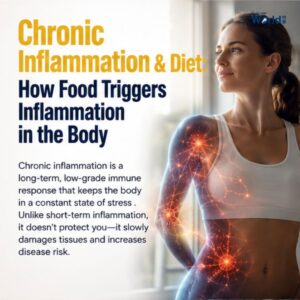
There’s a lot of confusion around calories. Some people say they’re everything. Others say they don’t matter at all.
The truth? Calories matter, but how you manage them matters even more. Fat loss isn’t about starving yourself. It’s about creating a small, sustainable calorie deficit while eating enough good protein, moving your body, and choosing satisfying foods.
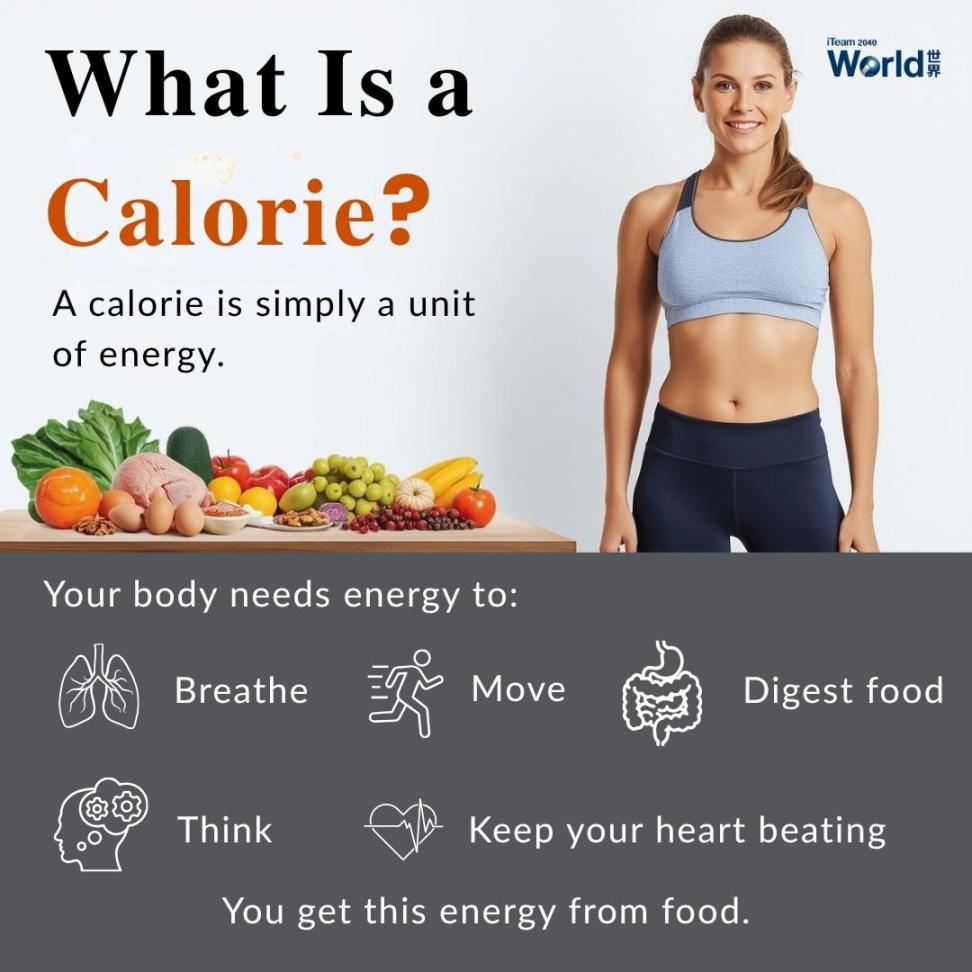
What is a Calories?
A calorie is simply unit of energy.
Your body needs energy to:
– Breathe
– Move
– Digest food
– Think
– Keep your heart beating
You get this energy from food.
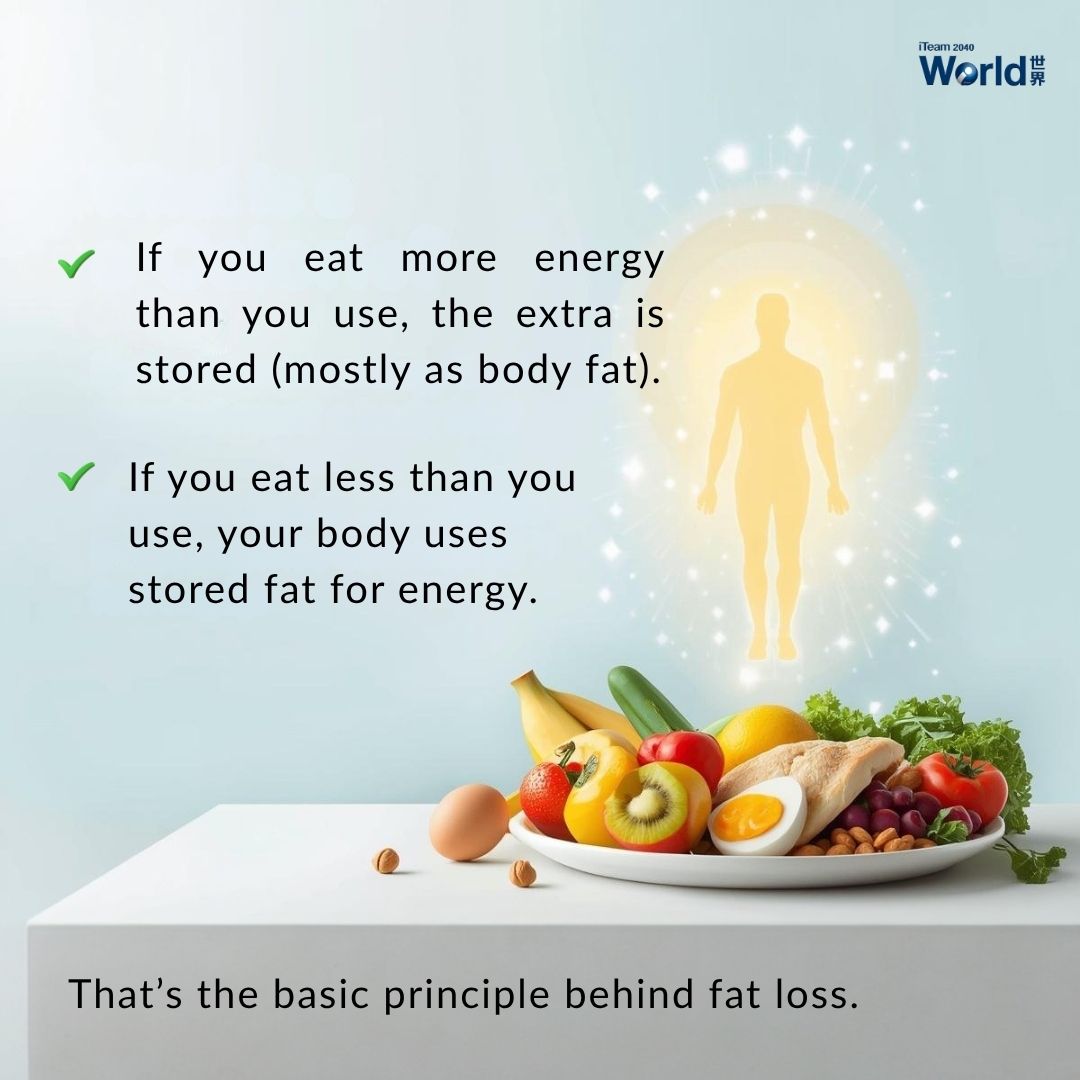
– If you eat more energy that you use, the extra is stored (mostly as body fat)
– If you eat less than you use, your body uses stored fat for energy.
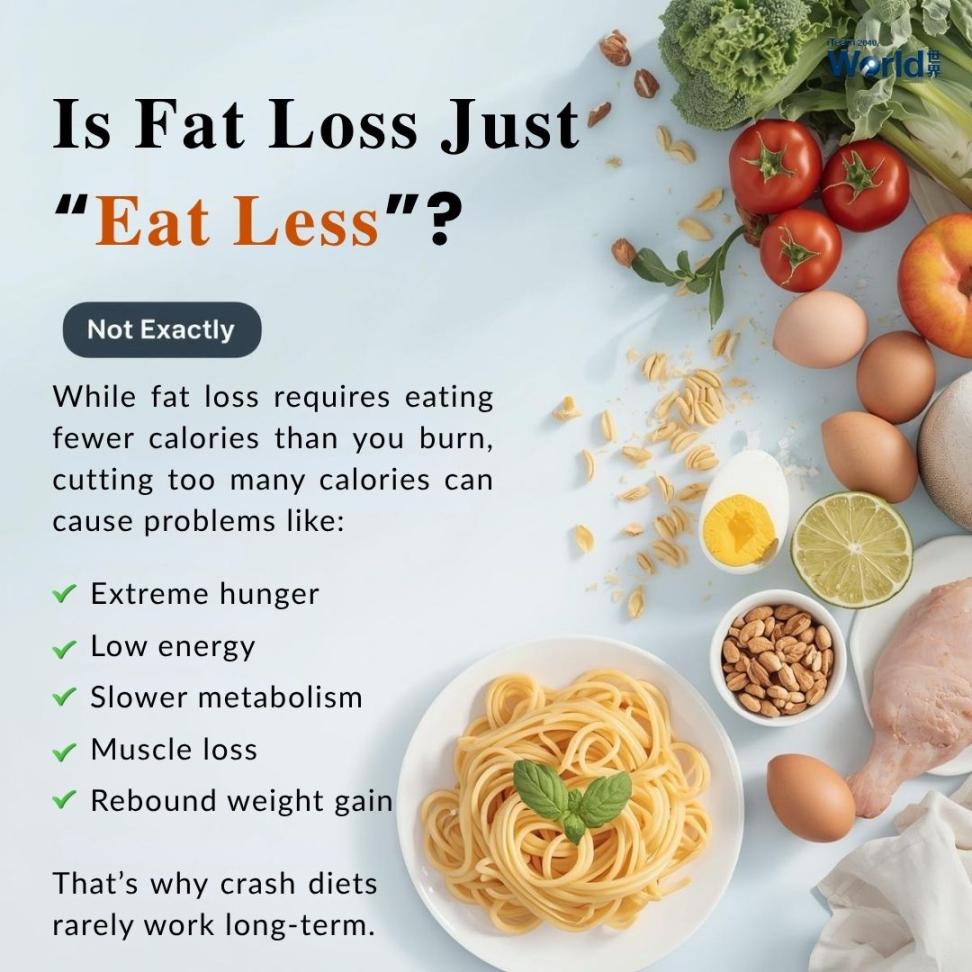
Is Fat Loss Just “Eat Less”?
Not Exactly
While fat loss requires eating fewer calories than you burn, cutting too many calories can cause problems like:
✓ Extreme hunger
✓ Low energy
✓ Slower metabolism
✓ Muscle loss
✓ Rebound weight gain
That’s why crash diets rarely work long-term.
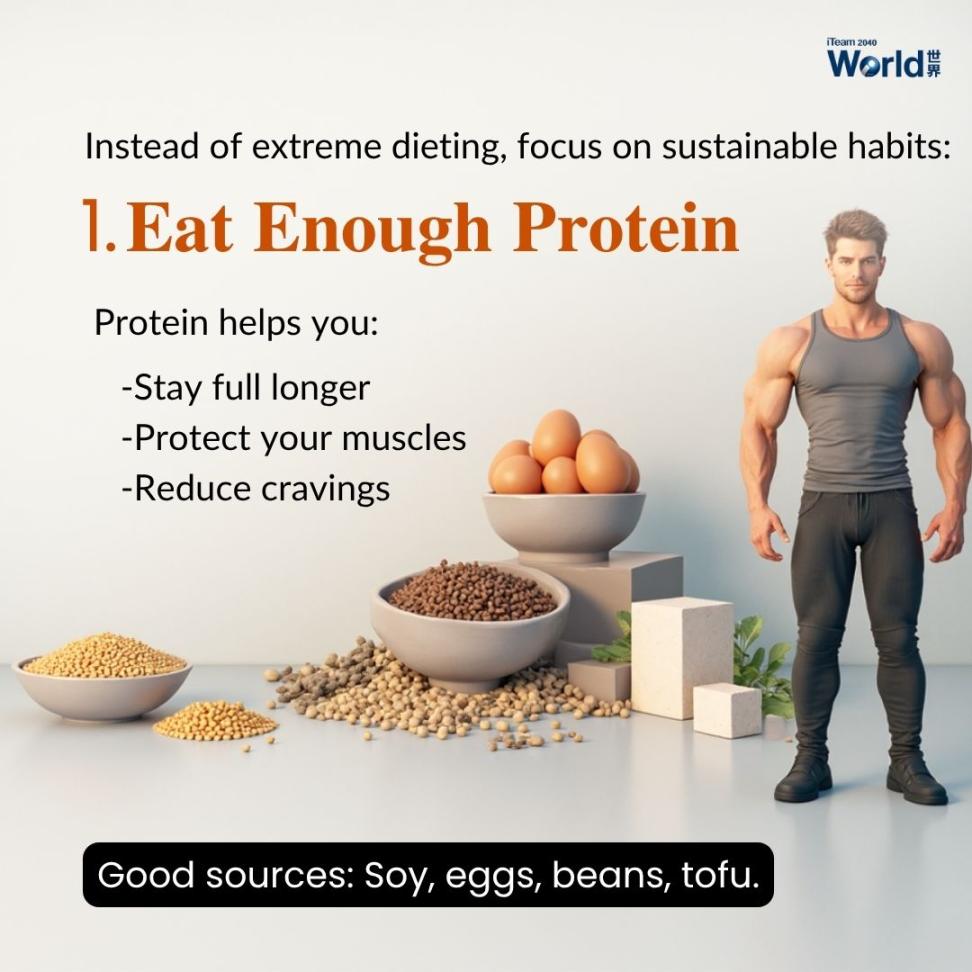
Instead of extreme dieting, focus on sustainable habits:
1. Eat Enough Protein
Protein helps you:
– Stay full longer
– Protect your muscles
– Reduce cravings
Good sources: Soy, eggs, beans, tofu.
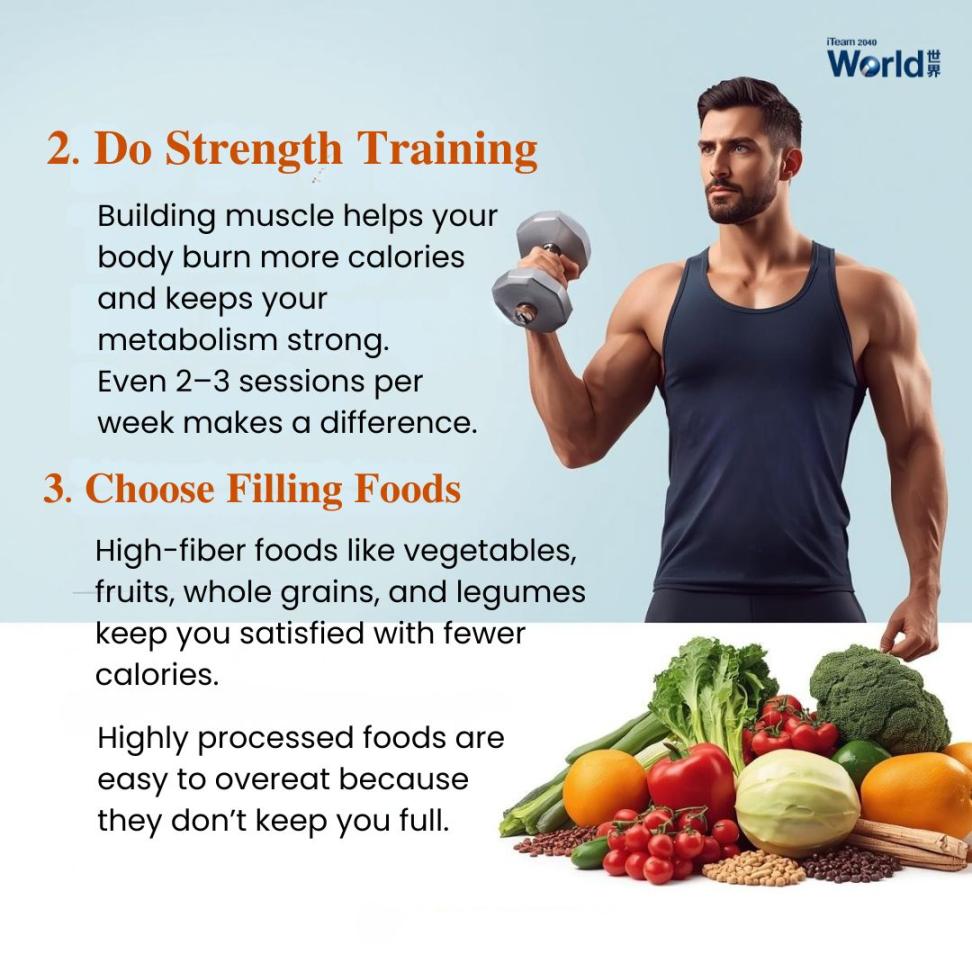
2. Do Strength Training
– Building muscle helps your body burn more calories and keeps your metabolism strong.
– Even 2-3 sessions per week makes a difference.
3. Choose Filling Foods
– High-fiber foods like vegetables, fruits, whole grains, and legumes keep you satisfied with fewer calories.
– Highly processed foods are easy to overeat because
they don’t keep you full.
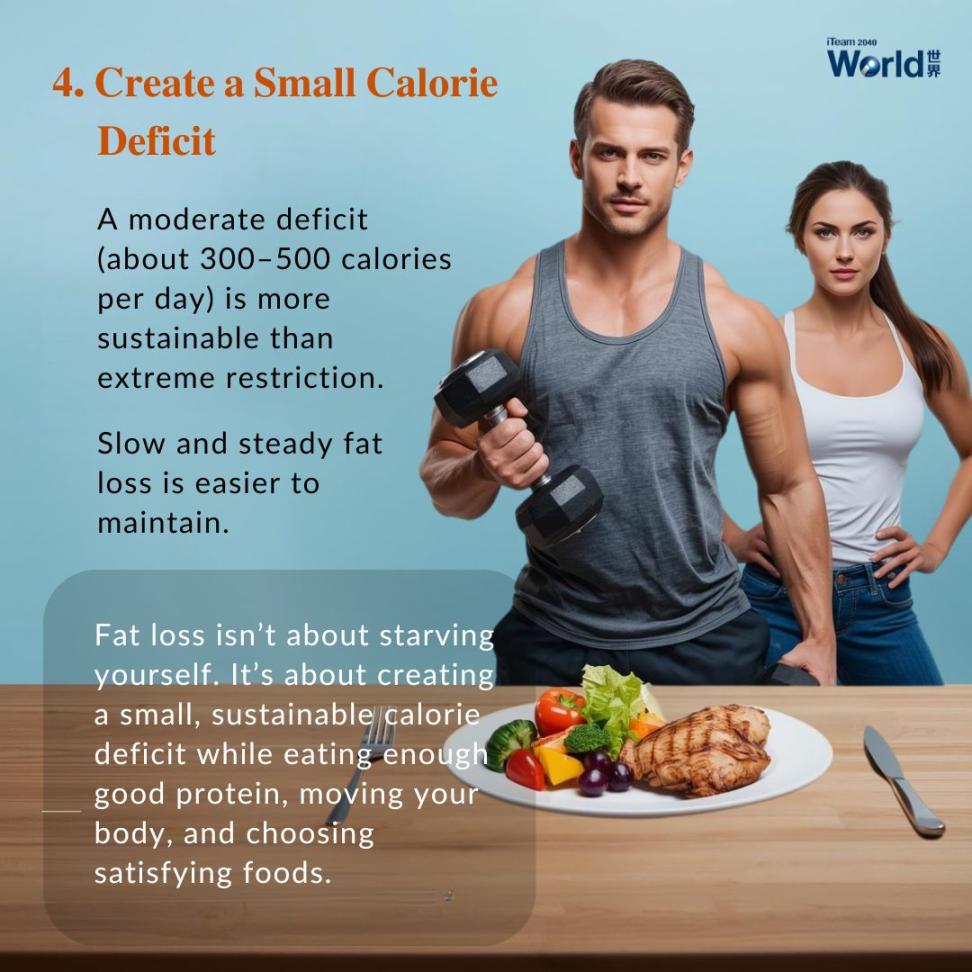
4. Create a Small Calorie Deficit
– A moderate deficit (about 300-500 calories per day) is more sustainable than extreme restriction.
– Slow and steady fat loss is easier to maintain.
Fat loss isn’t about starving yourself. It’s about creating a small, sustainable calorie deficit while eating enough good protein, moving your body, and choosing satisfying foods.

Healthtalk (FiberTalk) 9 – Why does your body need Fiber?
FiberTalk is a fiber-rich powdered beverage made from psyllium husk, banana, and orange to effectively regulate bowel movements, improve skin health, regulate cholesterol levels, manage blood sugar levels, and promote healthy weight management.
Fiber also enhances our digestion system, providing a fluid and smoother passage of food.
Contact Us
A high-fiber diet is associated with a lower risk of allergies, including allergic rhinitis, asthma, atopic dermatitis, and food allergies. Gut microbes ferment dietary fiber into short-chain fatty acids (SCFAs)-compounds known for their anti-inflammatory properties.
http://doi.org/10.1016/j.cbi.2023.110739
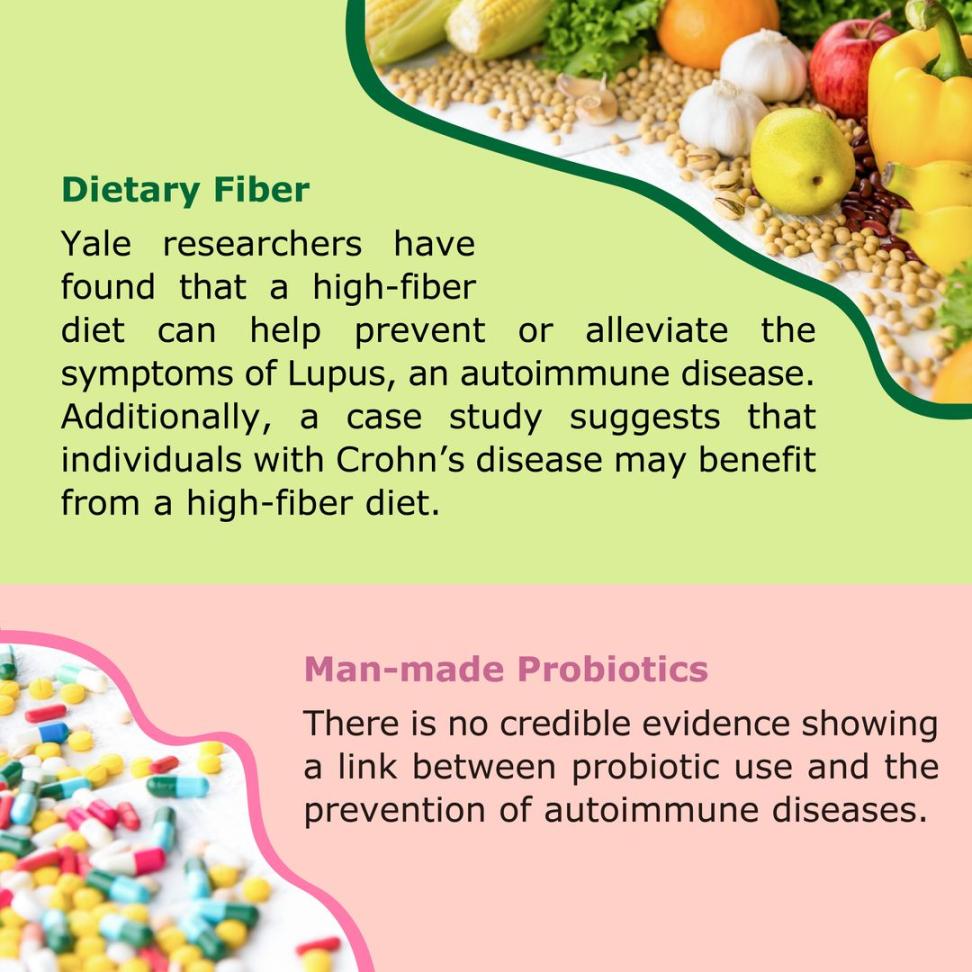
Dietary Fiber
Yale researchers have found that a high-fiber
diet can help prevent or alleviate the symptoms of Lupus, an autoimmune disease. Additionally, a case study suggests that individuals with Crohn’s disease may benefit from a high-fiber diet.
Man-made Probiotics
There is no credible evidence showing a link between probiotic use and the prevention of autoimmune diseases.