
 𝙏𝙝𝙚 𝙛𝙤𝙤𝙙 𝙮𝙤𝙪 𝙚𝙖𝙩 𝙚𝙫𝙚𝙧𝙮 𝙙𝙖𝙮 𝙢𝙖𝙮 𝙞𝙣𝙛𝙡𝙪𝙚𝙣𝙘𝙚 𝙮𝙤𝙪𝙧 𝙗𝙤𝙙𝙮’𝙨 𝙞𝙣𝙛𝙡𝙖𝙢𝙢𝙖𝙩𝙤𝙧𝙮 𝙧𝙚𝙨𝙥𝙤𝙣𝙨𝙚
Frequently consuming sugary foods, refined carbohydrates and ultra-processed foods may contribute to blood sugar fluctuations, gut imbalance and increased oxidative stress, keeping the body in a state of low-grade inflammation. 
Supporting a healthier inflammatory response can begin with small dietary changes: Eat more fruits and vegetables Choose whole, minimally processed foods Reduce added sugar and sugary drinks Get enough fibre and healthy fats
Blueberries, raspberries, black goji berries, cranberries, cactus, spinach and broccoli contain beneficial plant nutrients that may support antioxidant protection and a healthy inflammatory response. 

How diet causes chronic inflammation
When you frequently eat highly processed and sugary foods, several things happen inside the body:
Blood sugar spikes
Refined carbohydrates and sugar cause rapid increases in blood glucose. This leads to excess insulin release, which over time promotes inflammatory signaling in cells.

Fat cells release inflammatory chemicals
Excess calorie intake causes fat cells (especially belly fat) to grow. These fat cells release cytokines-chemical messengers that actively promote inflammation
throughout the body.
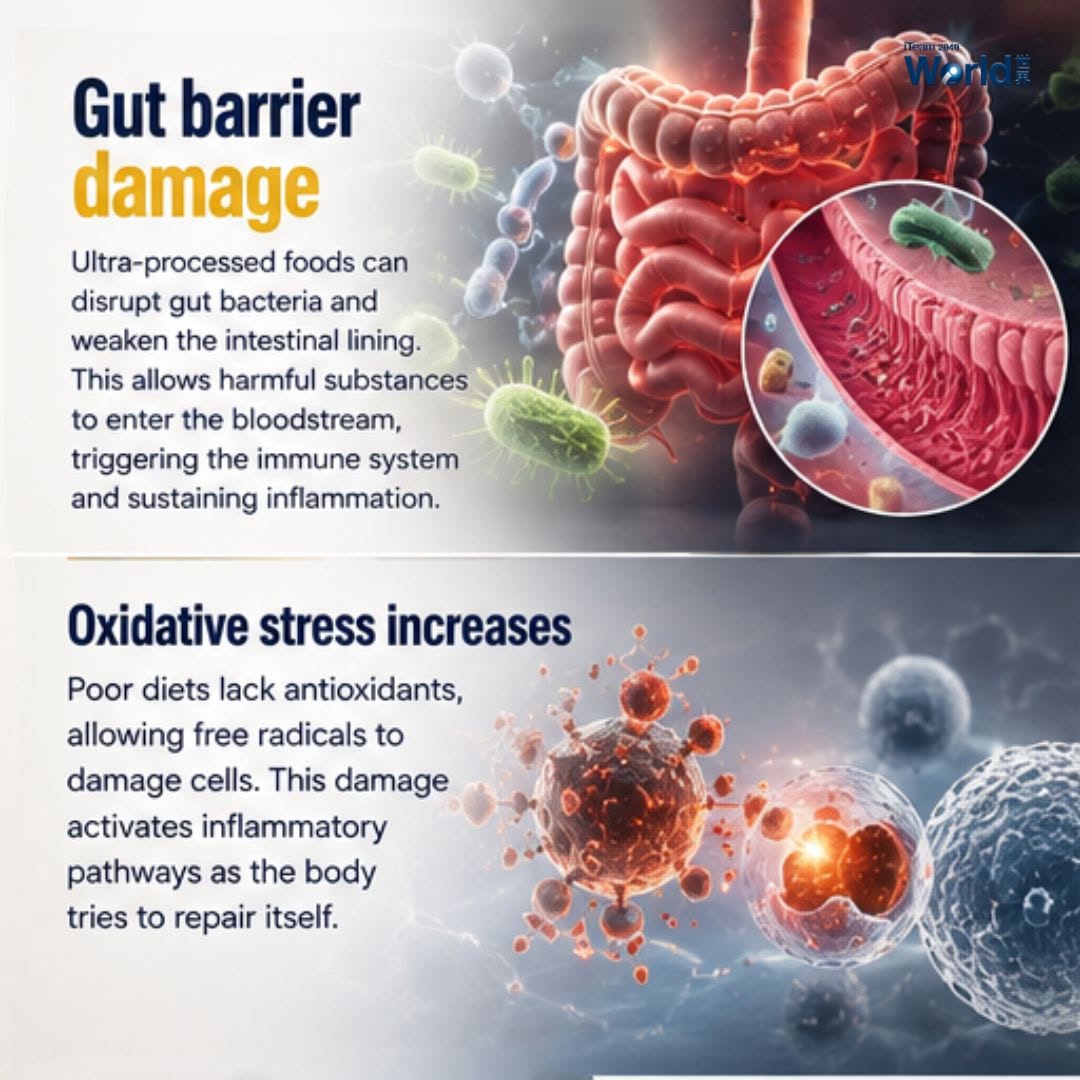
Gut barrier damage
Ultra-processed foods can disrupt gut bacteria and weaken the intestinal lining. This allows harmful substances to enter the bloodstream, triggering the immune system and sustaining inflammation.
Oxidative stress increases
Poor diets lack antioxidants, allowing free radicals to damage cells. This damage activates inflammatory pathways as the body tries to repair itself.

How anti-inflammatory foods work Antioxidants
neutralize free radicals and protect cells Fiber
feeds healthy gut bacteria, strengthening the gut barrier Healthy fats
improve cell signaling and reduce immune overreaction

Reducing inflammation doesn’t require perfection. Even small dietary improvements like adding fruits & vegetables, choosing whole foods, and reducing added sugar can lower inflammatory markers over time
Anti-inflammatory foods:
– Blueberries
– raspberry
– black goji berries
– cranberries
– Cactus
– spinach
– broccoli
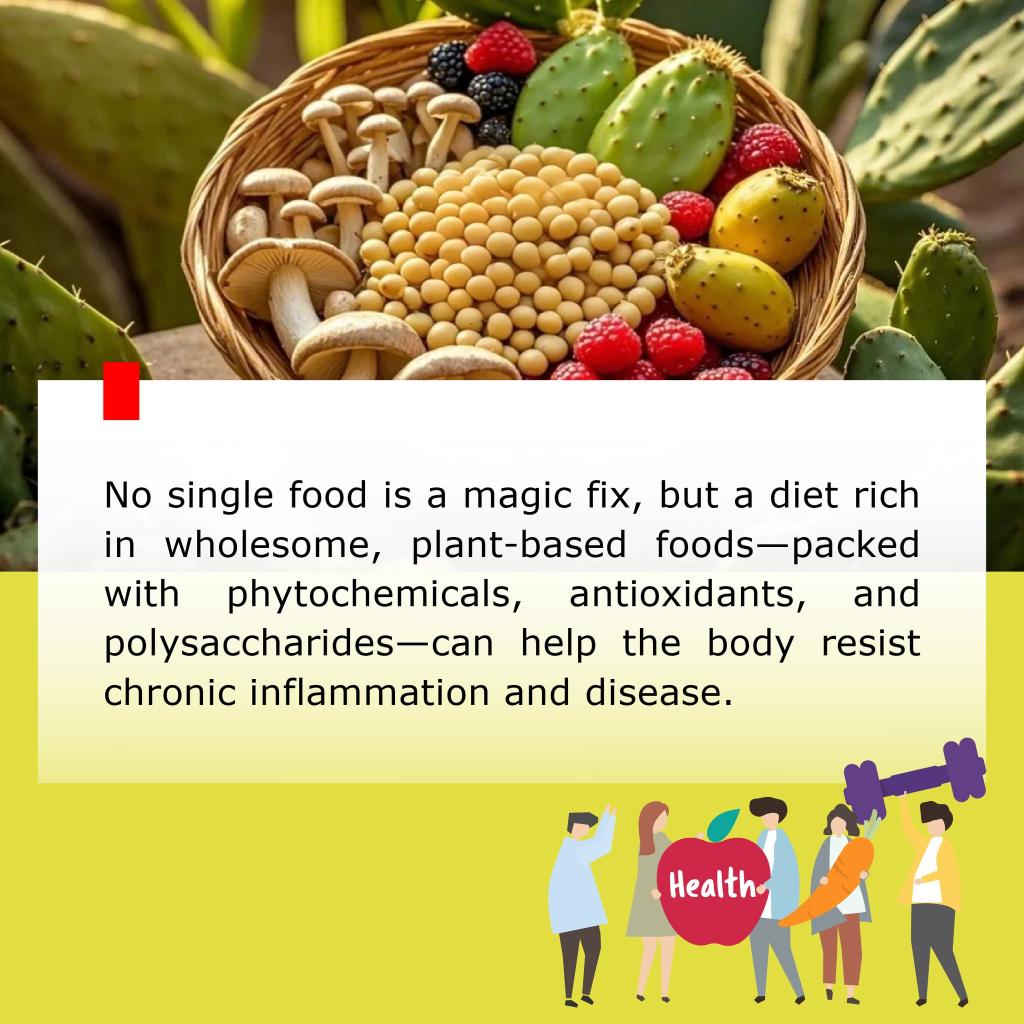
No single food is a magic fix, but a diet rich in wholesome, plant-based foods-packed with phytochemicals, antioxidants, and polysaccharides-can help the body resist chronic inflammation and disease.

SoyGreen contains soy, which is a source of plant-based protein. Adequate protein intake is very important when on a low-calorie diet because it helps prevent muscle loss. Muscle burns more calories than fat does.
SoyGreen rich in plant protein, calcium, iron, folic acid, fibre, antioxidants, trace elements, and a wide variety of phytochemical. It is the perfect meal replacement for weight management as it is high nutrition and low calories.
Contact Us

As the Planet Heats Up, Cool Your Body with Plants
Research show that extreme heat doesn’t just raise inflammation – it sabotages your body’s ability to fight infections and build lasting Immunity. As temperatures rise, our defenses fall.

A recent study found that extreme heat may accelerate biological aging, which is closely linked to chronic inflammation. Blood samples from over 3,600 U.S. adults ages 56+ revealed that those in hotter, more humid climates aged faster – even after adjusting for lifestyle factors.

Protect Your Body from Heat-Drive Inflammation – Start with Plants
Even brief exposure to extreme heat can weaken your immune defenses, trigger harmful inflammation, and raise the risk of infections and chronic illness like heart disease.

Chronic inflammation – often dubbed the ‘silent killer’ – is a major driver behind heart disease, diabetes, cancer, Alzheimer’s, and other serious illnesses.